

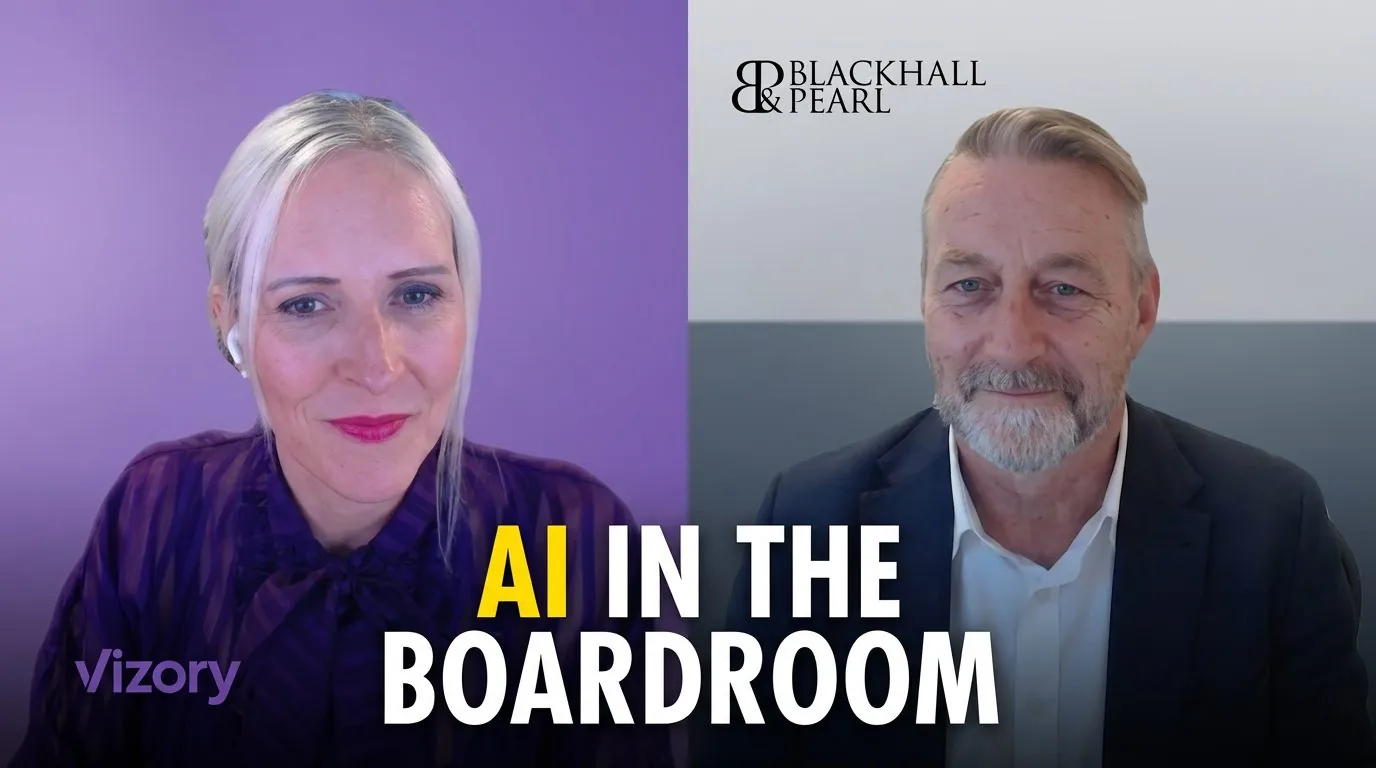
Part of the Conversations in the Boardroom series with Tim Boyle
— AI in the boardroomManagement is using it to write the pack. Directors are using it to get through the pack. Most boards have no policy covering either, and after ASIC v Bekier that gap is a duty-of-care problem rather than an IT one.
A video series with Tim Boyle, and a plain read of what the case actually requires of directors.
ASIC v Bekier [2026] FCA 196 is the first Australian decision to engage with directors' use of AI in a board setting. It arose from proceedings against former officers and non-executive directors of Star Entertainment Group over the duty of care and diligence in section 180(1) of the Corporations Act.
The directors argued it was unreasonable to expect them to absorb hundreds of pages of board material, sometimes provided minutes before a meeting. The Court was unsympathetic to the framing: a board can and must control the information it receives, and a director cannot rely on an inability to cope with volume.
AI can help a board handle information overload. It cannot hold a director's judgment for them — that duty is personal, and it cannot be delegated to a model.
The Court accepted that addressing information overload could, in part, come through the principled and transparent use of emergent technology. This is not a judgment against AI.
Analysing and understanding information from management is a core function of the board. Section 180(1) is personal and non-delegable, and an AI summary does not discharge it.
Any use of AI should be controlled and transparent — which means the board knows what is being used, by whom, and on what material.
The Court noted boards would be prudent to deliberately govern AI use by formally adopting a policy, rather than leaving it to informal, undocumented adoption.
None of that is exotic. It is the ordinary discipline boards already apply to information, delegation and disclosure — applied to a tool that arrived faster than the governance around it.
In practice the risk is rarely a director asking a chatbot to summarise a paper. It's the quiet, undocumented version of that happening across a board with no policy, no disclosure and no retention position.
External tools may retain records of sensitive boardroom material. Where privileged content goes into a third-party system, the privilege position can become a live question.
Real-time output often can't be verified while a meeting is running. A confident wrong answer is worse than no answer at the point a decision is being made.
AI chats, recordings and transcripts should be treated like emails. They may be discoverable in later proceedings, which makes retention policy a board question.
The most common position today: several directors and much of management using AI, no policy, no disclosure, and no shared view of what's acceptable.
Recorded with Tim Boyle of Blackhall & Pearl, adviser to ASX-listed boards, on what's actually happening with AI in the boardroom — not what's being marketed, what's being used. Two practitioners, no hype.
Where AI is genuinely shifting governance, where directors are getting the wrong message about what it can do, and the misconception that's quietly creating risk rather than reducing it.
Packs getting bigger, materials landing later, directors getting less time to read them. The compounding risk window nobody's talking about openly — and how to start.
Three years from now, what does the governance stack look like? Who actually owns AI governance in the boardroom, and what happens to boards that don't engage.
The technology and AI dimension of a board effectiveness review answers it properly — including whether your board's own AI use would withstand scrutiny.